Image:T1 Energy
The U.S. Securities and Exchange Commission (SEC) has opened an investigation into U.S. PV manufacturer T1 Energy's public disclosures concerning its eligibility for Section 45X tax credits.
The Texas-based module maker disclosed the matter in its Form 10-Q for the third quarter, released after the market close on November 12alongside its quarterly results, and said it had been notified by the SEC's Fort Worth Regional Office back in September 2026.
"The Company will cooperate fully with the SEC's investigation. It is not possible to predict the duration or outcome of the investigation at this time," T1 Energy said in a statement.
Shares fell continuously after the disclosure: they closed at $1.97 on November 12; on the following trading day (November 13) they opened at$1.98, fell as much as 18.8% to an intraday low of $1.60, and closed back at $1.91. On November 16, after the company announced an at-the-market equity programme of up to $100 million, the stock dropped again to close at $1.49, a decline of about 22%. Following the announcement,law firm Holzer & Holzer said it was investigating whether T1 Energy had complied with federal securities laws, without disclosing further details.
Why the 45X credit matters
Section 45X provides a production tax credit for solar modules and certain components manufactured and sold in the United States, and it has a significant impact on T1's unit economics. The company disclosed that it had generated $155.3 million of 45X credits cumulatively through the third quarter of 2026, which it is now working to monetize. It said third-partydue diligence put its use of non-FEOC materials at approximately 65%,above the 50% threshold required for the safe harbour under the One Big Beautiful Bill Act.
Commerce's 232 cell waiver
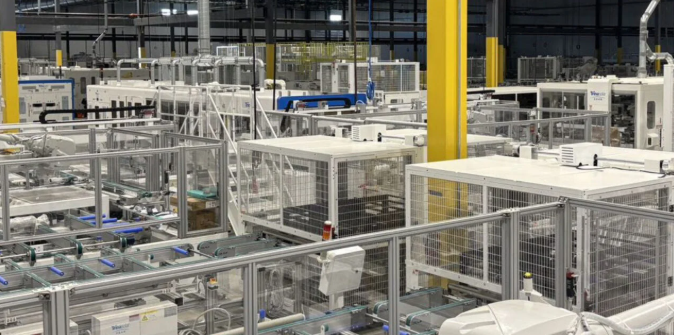
In addition to the 45X investigation, T1 Energy disclosed that it had received an expedited Section 232 import waiver from the U.S.Department of Commerce covering up to 1.7GW of solar cells. This means those cells will be exempt from the Section 232 pricing measures once they take effect on December 4, safeguarding continuous production at the G1_Dallas module plant while G2_Austin is under construction.
The company said it is in talks with the Department of Commerce to join the Section 232 domestic capacity support programme, which is intended to reduce the minimum import price and duties on imported module sub-components.
The relevant U.S. measures take effect on December 4, 2026: a 15% tariff on imports of products using polysilicon, and minimum prices for polysilicon and its derivatives. At the same time, the Department of Commerce has introduced a domestic capacity incentive mechanism under which solar manufacturers that commit to building polysilicon, ingot/wafer or solar cell production lines in the United States can obtain temporary tariff exemptions.