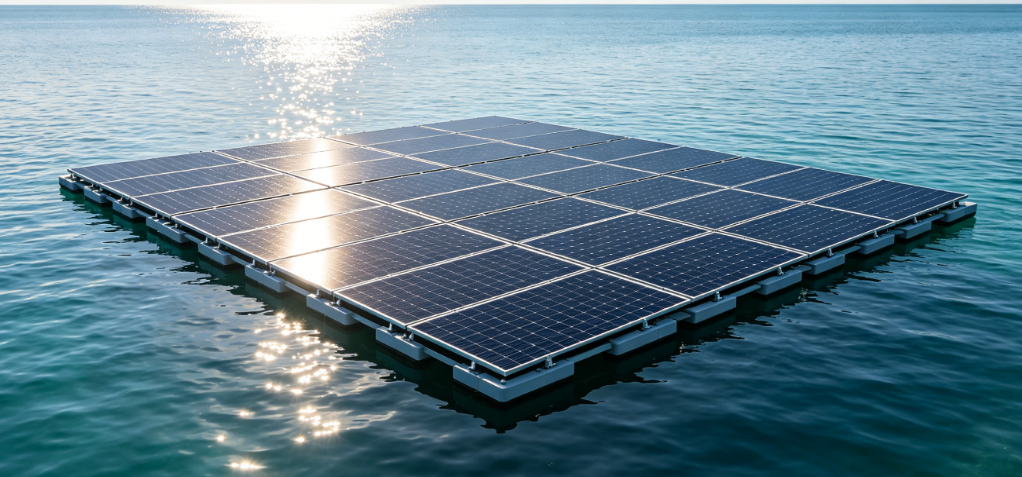
DNV, an independent energy expert, has launched two new technical guidelines tailored for floating solar systems, aiming to enhance the safety, reliability and long-term operational performance of floating photovoltaic (FPV) assets amid the rapid global expansion of renewable energy.
The two new standards fill key technical gaps for fast-growing large-scale floating solar infrastructure. The DNV-ST-C108 standard specifies structural design and qualification requirements for FPV float structures. It covers safety classification, design basis, material qualification, structural design, testing and corrosion protection, with a particular focus on non-metallic materials and performance degradation caused by solar irradiation. The standard also adopts a design methodology that accounts for potential risks and consequences of float structure failure.
Complementing the structural guideline, DNV-ST-E309 sets out core principles and methodologies for designing mooring and station keeping systems for floating solar installations. It provides comprehensive guidance on design loads, load combinations and analytical procedures, as well as system configuration strategies and risk assessment frameworks to minimize failure risks for station keeping systems.
Ditlev Engel, CEO of Energy Systems at DNV, highlighted the industry significance of the new standards amid the sector’s rapid evolution. “Floating solar is moving from niche applications to large-scale infrastructure,” Engel said. “These new standards are designed to help the industry manage risk, improve reliability and enable innovation while maintaining appropriate safety margins.”
The newly released documents complement DNV’s 2021 recommended practice guidelines for solar PV systems. The company has confirmed that an updated version of its original solar PV guidance is scheduled for release in June this year.