On April 9, the Neoen Muchea Battery Energy Storage Project, powered by Tesla Megapack, officially entered the construction phase. As a key partner in the Tesla-led EPC project, engineering and construction company UGL has deployed on-site machinery and equipment, with civil engineering and other works fully underway.
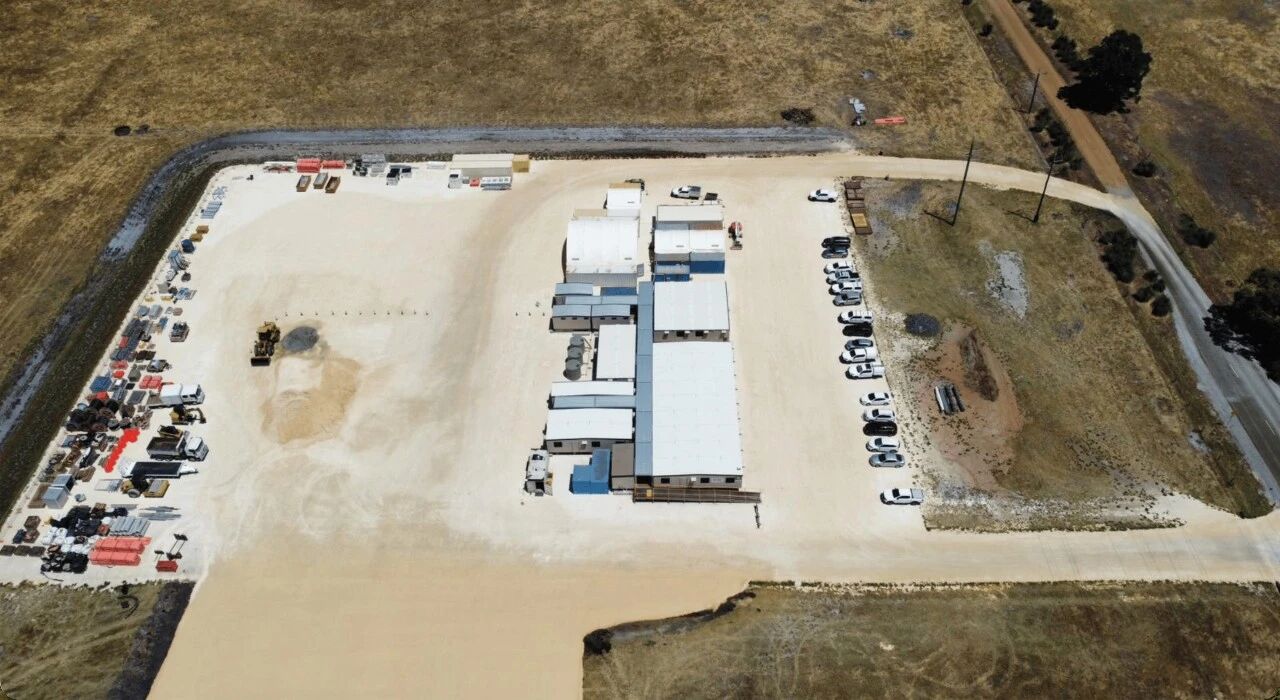
According to UGL’s latest announcement, early project preparation was successfully completed by the end of 2025, including upgrading the 1.3-kilometer access road and establishing the main laydown area. The on-site labor force is steadily expanding, and bulk civil engineering works are in progress.
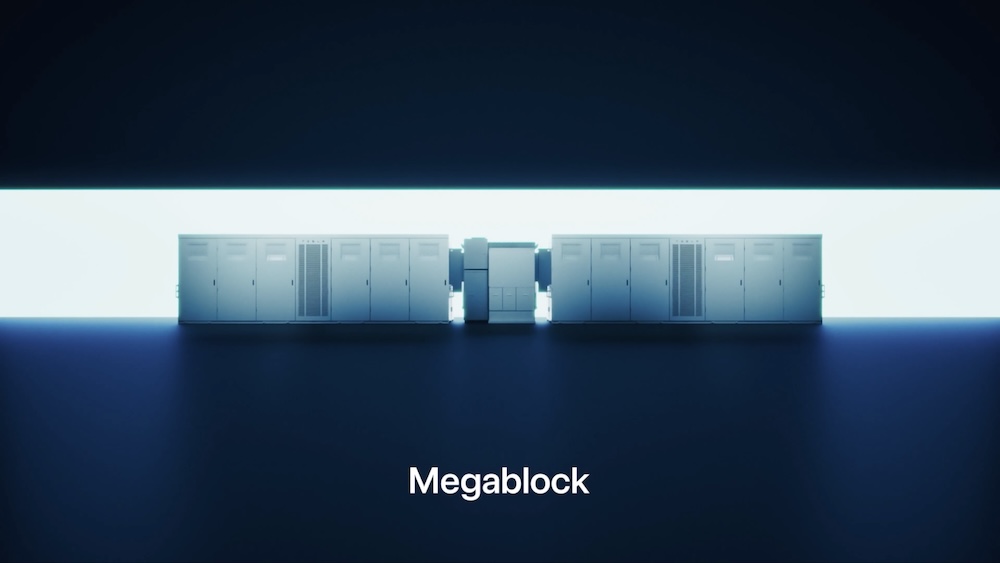
With a capacity of 164 MW / 905 MWh, the Muchea Battery Project is Neoen’s first six-hour long-duration energy storage facility in Western Australia. Located approximately 43 kilometers northeast of Perth and about 2 kilometers north of Muchea town, the project covers an area of about 5 hectares and will connect to the Western Power grid via the adjacent Muchea Substation. It will be equipped with 252 Tesla Megapack 2XL units, while UGL is responsible for designing and building a 132 kV substation, including high-voltage infrastructure, control room, switchroom, as well as earthworks and foundation construction.
As part of the partnership between Tesla Energy and Neoen, UGL undertakes on-site preparation, civil foundations, electrical engineering, battery installation, and subsequent testing and commissioning for the project. Over the coming months, the project team will complete major civil works and make full preparations for the large-scale delivery of Tesla Megapacks.
UGL has extensive experience in Australia’s battery energy storage sector, having delivered multiple large-scale projects nationwide, including the previously completed Collie Battery 2 in partnership with Neoen and Tesla. To date, UGL has installed and commissioned 3.6 GWh of battery energy storage capacity across 13 solar farms, with a further 2.15 GWh of projects under construction.
The launch of the Muchea Battery Project marks a significant milestone in Western Australia’s energy transition. It will substantially enhance grid flexibility, reliability, and renewable energy integration capacity, supporting peak electricity demand management in Western Australia.