Vietnam Strengthens Energy Security with Rooftop Solar Push and Efficiency Drive
Vietnamese Prime Minister Pham Minh Chinh has issued a major directive aimed at تعزيز the country’s energy security, placing a strong emphasis on electricity conservation and the rapid expansion of rooftop solar power.
The move comes as Vietnam faces increasing pressure to ensure a stable and reliable power supply to support its fast-growing economy, while also aligning with global climate commitments.
According to the directive, maintaining sufficient electricity supply is one of the government’s top priorities. All sectors—including government agencies, businesses, and households—have been urged to actively reduce electricity consumption. The initiative seeks to prevent power shortages, particularly during peak demand periods, and to foster a long-term culture of energy efficiency nationwide.
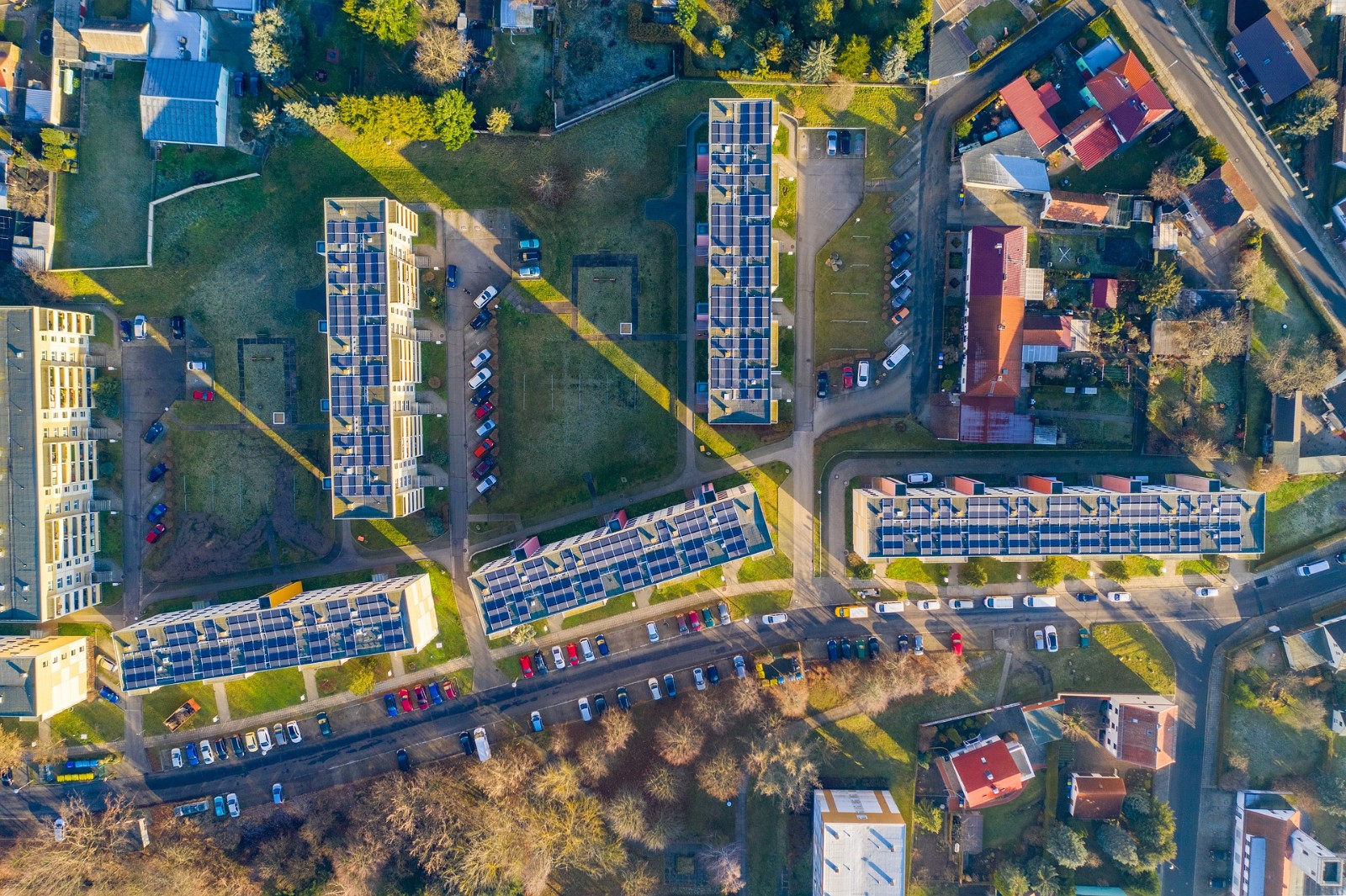
A central pillar of the strategy is the accelerated deployment of rooftop solar systems. The government plans to simplify administrative procedures and create a more supportive policy framework to encourage both individuals and companies to install solar panels. By promoting self-generation and self-consumption, Vietnam aims to ease pressure on the national grid. Authorities are also considering mechanisms that would allow excess electricity to be sold back to the grid, offering additional incentives for adoption.
The directive further underscores the importance of strengthening power infrastructure. Among the key projects highlighted is the 500kV Circuit-3 transmission line, which is expected to improve the transfer of electricity from surplus regions to areas experiencing shortages. The Ministry of Industry and Trade of Vietnam and Vietnam Electricity have been instructed to accelerate progress and resolve any bottlenecks.
At the same time, Vietnam is maintaining a balanced approach to its energy mix. While renewable energy—particularly solar—is being scaled up, the country will continue to rely on hydropower and thermal power to ensure system stability. This diversified strategy is intended to mitigate risks associated with weather variability and fuel price fluctuations.

Recommended News
View More
Join Us