
Abu Dhabi Expands Residential Solar Push with Phase Two of Self-Supply Policy
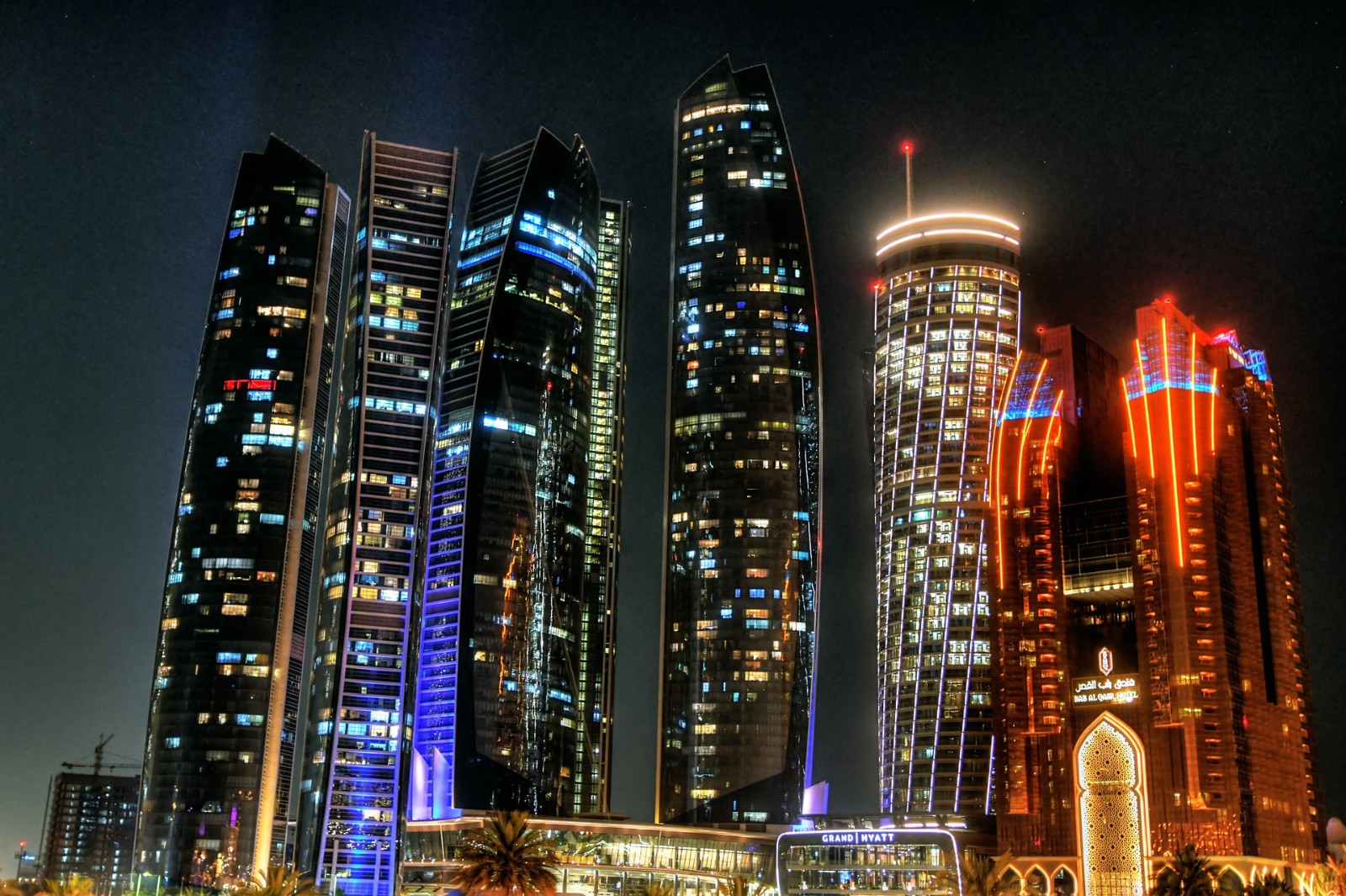
The Abu Dhabi Department of Energy (DoE) has launched the second phase of its Solar Energy Self-Supply Policy, aiming to accelerate the deployment of rooftop solar systems across residential buildings in the emirate.
Under this new phase, the DoE will introduce a simplified regulatory framework to make it easier for homeowners to install and operate solar photovoltaic (PV) systems alongside battery energy storage systems (BESS). The initiative is designed to streamline both installation and grid connection procedures, reducing barriers for households seeking to adopt distributed energy solutions.
In addition, the policy will standardize technical requirements for residential solar and storage installations. By creating a clearer and more consistent framework, authorities hope to encourage wider adoption of these technologies and support the growth of decentralized energy generation.
While no specific capacity targets have been disclosed, the DoE said the policy aims to enable households to meet a significant share of their daytime electricity demand through self-generated solar power. This shift is expected to ease pressure on Abu Dhabi’s grid infrastructure, particularly during peak daytime hours.
To date, most of Abu Dhabi’s solar investments have focused on large-scale utility projects. This includes landmark developments such as the 1.5GW Khazna solar project, which recently reached financial close. However, the rollout of the self-supply policy marks a strategic shift toward expanding distributed generation and engaging residential consumers more directly in the energy transition.
“We are strengthening partnerships in the transition towards clean energy, contributing to a more balanced and sustainable energy mix by empowering a broader segment of society,” said Abdulaziz Mohammed Al Obaidli, director general of regulatory affairs at the DoE.
The second phase follows the launch of the programme’s first phase last month, which focused on enabling solar deployment within the agricultural sector. Together, these initiatives reflect Abu Dhabi’s broader ambition to diversify its solar portfolio beyond utility-scale generation.
As part of its long-term energy strategy, Abu Dhabi is targeting clean energy to account for 60% of its electricity generation by 2035.


Recommended News
View More
Join Us