German Solar Demand Surges Amid Geopolitical Tensions, but Industry Signals Mixed Outlook
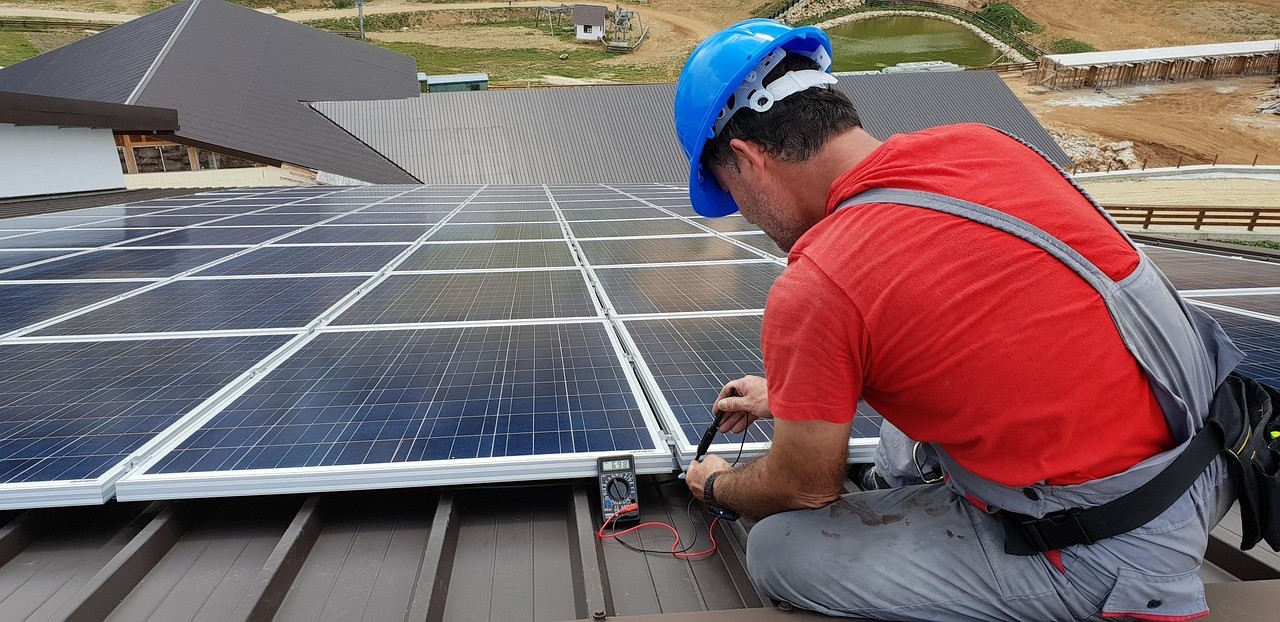
Demand for residential solar installations in Germany has risen sharply following the recent military escalation involving Israel, the United States, and Iran, according to energy provider E.ON. The company reported that inquiries from private customers have roughly doubled since the end of February, with growing interest also seen in heat pumps and electric vehicle charging solutions.
Filip Thon, CEO of E.ON Energie Deutschland, confirmed that solar-related inquiries have surged compared to recent months. In response, the company has already expanded capacity within its solar teams. Thon noted that households are increasingly looking for ways to shield themselves from rising energy prices and potential supply disruptions.
Other market players echoed this trend. German renewable energy firms 1KOMMA5° and Enpal reported similar developments in local media, with 1KOMMA5° citing a month-on-month doubling in demand and Enpal describing current activity levels as comparable to those seen during the previous gas crisis.
However, not all industry voices are as bullish. Peter Knuth, managing director of PV equipment supplier Enerix, pointed to more moderate growth. According to an internal survey, only 30% of partner businesses reported above-average inquiry levels, while 45% attributed the recent uptick primarily to seasonal factors. Knuth emphasized that while customer interest is increasing, the rise remains marginal and consistent with typical springtime recovery following slower winter months.
Meanwhile, German PV systems wholesaler EWS GmbH & Co. KG struck a cautiously optimistic tone in its February market analysis. Managing Director Jan Paul Dahm noted that higher fossil fuel prices and ongoing energy supply uncertainties are driving renewed attention toward solar. He added that the current discourse is reinforcing a broader realization among consumers that renewable energy represents the only viable path to long-term energy independence.
Carsten Körnig, head of the Bundesverband Solarwirtschaft (BSW), also acknowledged the influence of geopolitical developments but offered a more measured assessment. He stated that rising energy prices are prompting greater public awareness and could lead to a temporary increase in demand for solar, heating, and storage systems—a trend previously observed at the onset of the Ukraine war.
Körnig further highlighted a domestic policy factor that may be accelerating short-term demand. Recent remarks by Katherina Reiche indicating that subsidies for new residential rooftop solar systems could end from 2027 may be encouraging homeowners to act sooner. However, he cautioned that the strength and duration of the current demand upswing remain uncertain.
Recommended News
View More
Join Us