Image: Swift Solar
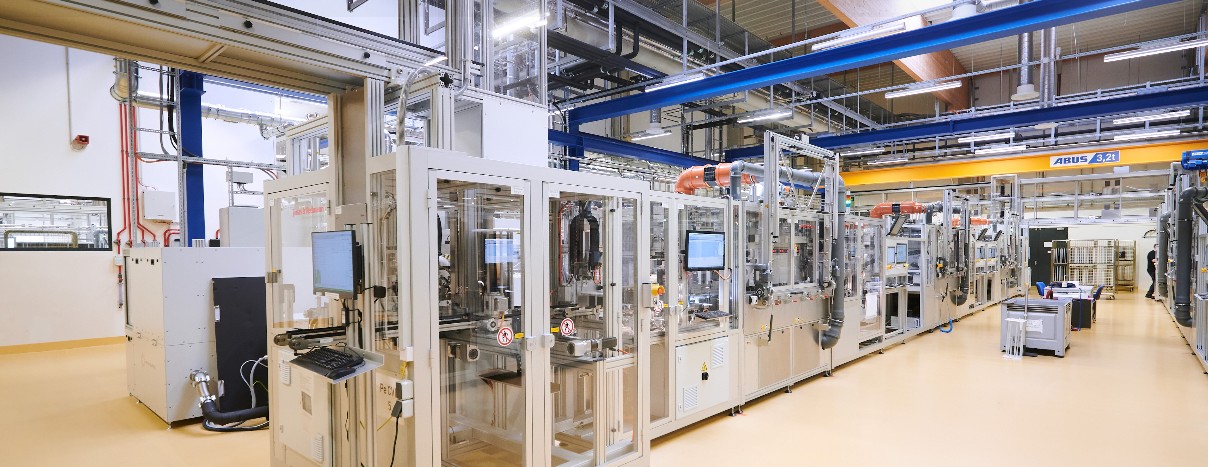
California-based Swift Solar has announced the acquisition of core manufacturing assets and a heterojunction (HJT) patent portfolio from Swiss photovoltaic company Meyer Burger, marking a significant step toward scaling advanced solar production in the United States.
The deal includes the transfer of Meyer Burger’s specialized engineering team and executive leadership, reinforcing Swift Solar’s transition toward gigawatt-scale manufacturing. The acquisition is expected to fast-track the company’s roadmap for commercializing next-generation solar technologies.
At the center of the strategy is a vertically integrated approach to silicon-perovskite tandem cells. HJT, a high-efficiency silicon cell architecture, serves as the bottom layer in these tandem designs. By stacking a perovskite layer on top of an HJT cell, Swift Solar aims to exceed the theoretical efficiency ceiling of conventional silicon solar cells, which currently approaches 30%.
As part of the agreement, key members of Meyer Burger’s leadership will join Swift Solar. Former CEO Gunter Erfurt and former global head of R&D Marcel Koenig will play leading roles in integrating HJT technology into Swift Solar’s manufacturing platform.
The acquisition also grants Swift Solar control over one of the most comprehensive HJT intellectual property portfolios in the Western Hemisphere. This “freedom to operate” is considered essential for scaling production without the legal uncertainties that have historically constrained investment in high-efficiency solar technologies.
Swift Solar highlighted that the move comes at a time of rapidly growing demand for high-density power, driven by the expansion of AI data centers and broader electrification trends. The company believes the acquisition directly addresses a critical bottleneck in the U.S. solar supply chain—limited domestic cell manufacturing capacity.
While module assembly capacity in the United States has expanded significantly in recent years, solar cell production remains heavily concentrated in Asia. HJT technology stands out among silicon-based platforms due to its potential for manufacturing equipment to be sourced and developed outside of China, aligning with U.S. policy priorities on domestic content and supply chain resilience.