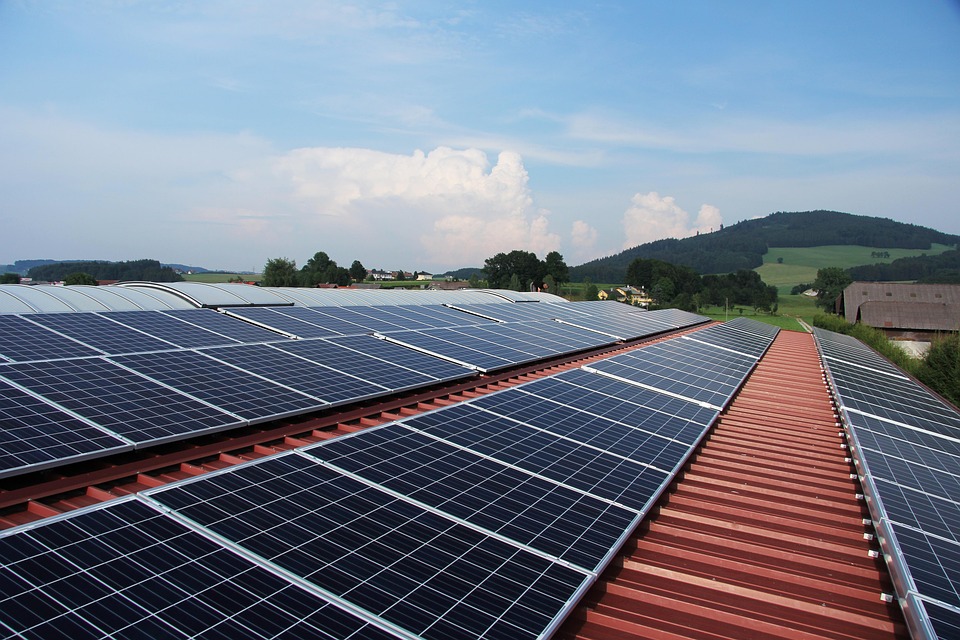
The Indian state of Gujarat has introduced three major clean energy policies aimed at accelerating its transition to a low-carbon economy and establishing itself as a national hub for renewable energy development. The new initiatives — the Integrated Renewable Energy Policy 2025, the Pumped Storage Project Policy, and the Green Hydrogen Policy — together target investments exceeding ₹5.75 lakh crore over the next decade.
Under the Integrated Renewable Energy Policy 2025, Gujarat has set a target of installing 100 GW of renewable energy capacity by 2030. The policy covers a broad range of technologies, including ground-mounted and rooftop solar, floating solar, onshore wind, hybrid wind-solar projects, and battery energy storage systems (BESS).
A key feature of the policy is the introduction of rooftop wind projects, which will allow consumers to install small wind turbines of up to 50 kW at their premises. These installations will be eligible for virtual net metering and group net metering, enabling participation by consumers who lack sufficient rooftop space and expanding access to distributed renewable energy.
The policy also promotes emerging renewable technologies, such as geothermal, tidal, and wave energy, and supports the installation of prototype wind turbines using advanced high-capacity designs. To strengthen the domestic supply chain, manufacturers are encouraged to source low-carbon raw materials locally, aligning renewable deployment with broader decarbonisation goals.
Complementing the renewable generation push, Gujarat’s Pumped Storage Project Policy aims to add 75 GWh of energy storage capacity by 2035, with an estimated investment of ₹75,000 crore. The policy is designed to improve grid stability, enable higher renewable energy penetration, and support the state’s long-term energy transition.
Together, the three policies signal Gujarat’s intent to scale renewable energy generation, storage, and emerging clean technologies while attracting large-scale investment and strengthening its position in India’s clean energy landscape.