
Saatvik Green Energy Commissions 2 GW In-House EPE Film Manufacturing Facility in India
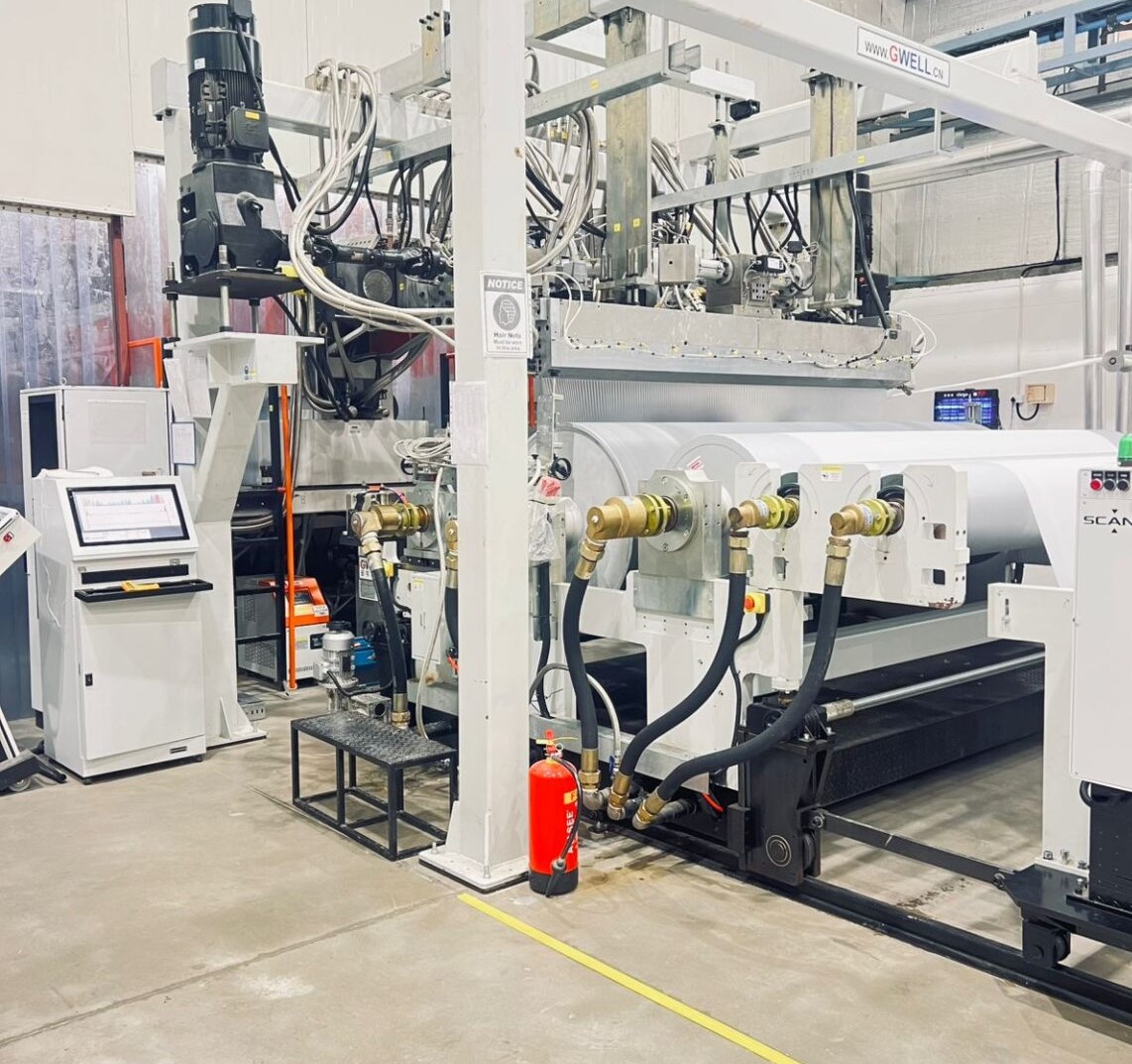
Saatvik Green Energy has commissioned a 2 GW in-house EPE encapsulant film manufacturing facility at its Ambala campus in Haryana, India, marking a key step in the company’s efforts to deepen vertical integration and strengthen supply-chain self-reliance.
EPE is a multilayer photovoltaic encapsulant that combines ethylene vinyl acetate (EVA) and polyolefin elastomer (POE), and is widely used in solar module lamination. The newly commissioned EPE line is co-located within Saatvik’s existing module manufacturing complex, allowing the company to integrate encapsulant production directly into its module assembly operations.
Encapsulant films play a critical role in photovoltaic modules by protecting solar cells, ensuring strong interlayer adhesion, maintaining electrical insulation, and supporting long-term durability under a wide range of operating conditions. By bringing EPE film production in-house, Saatvik gains direct control over material formulation, optical performance, and lamination characteristics, enabling consistent quality across its module portfolio, including high-wattage M10- and G12-based products.
Prashant Mathur, CEO of Saatvik Green Energy, said the strategic placement of the EPE facility within the same manufacturing premises delivers significant operational advantages. Near-zero transport time between encapsulant production and module lamination enables just-in-time material supply, eliminates inter-facility logistics delays, and supports lean manufacturing practices. According to the company, this integration improves shop-floor productivity, enhances equipment utilization, and ensures a smoother production flow across the module assembly process.
Mathur added that the in-house EPE facility also supports cost optimization. By reducing reliance on external suppliers, the company eliminates transportation, freight, insurance, and heavy-duty packaging requirements associated with long-distance procurement. These efficiencies lower overall material handling costs and reduce waste generation, contributing to lower module production costs while reinforcing Saatvik’s sustainability objectives.

Recommended News
View More

Join Us